
The Complete Guide to GPS Tracker Technology for Smarter Vehicle Security and Monitoring
How GPS Tracker Devices Are Revolutionizing Vehicle Safety and Tracking Efficiency
Introduction to GPS Tracking Systems
GPS tracking systems have become a powerful solution for individuals and businesses seeking better control over their vehicles. With the advancement of satellite technology and digital communication, tracking devices now offer real-time monitoring, improved security, and valuable insights into vehicle usage. These systems are widely used across various sectors, including logistics, personal transportation, and fleet management.
In today’s fast-paced environment, having access to accurate location data is essential. Many users rely on a reliable gps tracker to monitor their vehicles, ensure safety, and prevent unauthorized usage. This technology not only enhances security but also helps users make informed decisions based on real-time data.
Understanding How GPS Tracking Works
The Science Behind GPS Technology
A GPS tracking system operates by communicating with a network of satellites orbiting the Earth. The tracker installed in a vehicle receives signals from multiple satellites and calculates its precise location using triangulation. This data is then transmitted to a central server through cellular or internet networks.
Users can access this information through a mobile application or web interface. The ability to track vehicles in real time provides a significant advantage, especially in situations where quick action is required. This ensures that users always have complete visibility over their assets.
Key Components of a GPS Tracker
A typical GPS tracking system consists of several essential components. The GPS device itself acts as the primary hardware, capturing location data and transmitting it to the server. The server processes and stores the data, making it accessible to users.
The user interface, often in the form of a mobile app or web dashboard, allows individuals to view and analyze tracking information. Additional features such as sensors and communication modules enhance the system’s capabilities, enabling users to monitor various aspects of vehicle performance.
Benefits of Using a GPS Tracker
Enhanced Vehicle Security
One of the most significant advantages of using a GPS tracker is improved security. Vehicle theft remains a major concern, and tracking devices provide an effective solution. Real-time tracking allows users to locate their vehicles instantly and take appropriate action.
A dependable gps tracker can also send alerts in case of suspicious activity. Features such as geofencing enable users to set boundaries and receive notifications when a vehicle leaves a designated area. This proactive approach helps prevent theft and ensures peace of mind.
Improved Fleet Management
Businesses that manage multiple vehicles benefit greatly from GPS tracking systems. Fleet managers can monitor routes, track fuel consumption, and ensure timely deliveries. This level of oversight improves efficiency and reduces operational costs.
Tracking systems also help identify inefficient driving behaviors. By addressing issues such as excessive idling or harsh braking, companies can improve driver performance and extend the lifespan of their vehicles. This leads to long-term savings and better resource utilization.
Types of GPS Tracking Devices
Real-Time GPS Trackers
Real-time GPS trackers provide continuous updates on a vehicle’s location. These devices transmit data instantly, allowing users to monitor movement at any time. This makes them ideal for security purposes and fleet management.
Real-time trackers are equipped with advanced features such as live tracking, alerts, and detailed analytics. These capabilities ensure that users have complete control over their vehicles and can respond quickly to any issues.
Passive GPS Trackers
Passive GPS trackers store data locally within the device. Users can retrieve this information later for analysis. These devices are suitable for individuals who do not require real-time monitoring but still want to review vehicle history.
While passive trackers are more affordable, they lack immediate updates. This limitation makes them less effective for situations that require instant action. However, they remain useful for analyzing long-term trends and improving operational efficiency.
Key Features to Look for in a GPS Tracker
Real-Time Alerts and Notifications
Real-time alerts are an essential feature of modern GPS trackers. Notifications for events such as overspeeding, route deviations, and unauthorized movement help users stay informed and take immediate action.
These alerts enhance security and provide valuable insights into vehicle usage. By receiving timely updates, users can address potential issues before they escalate, ensuring better control and safety.
User-Friendly Interface
A GPS tracking system should offer an intuitive and easy-to-use interface. Users should be able to access important information quickly without any technical difficulties. Mobile apps and web platforms should provide clear visuals and simple navigation.
Ease of use ensures that individuals with varying levels of technical knowledge can operate the system effectively. This increases the overall usability and adoption of tracking solutions.
Applications of GPS Tracking Technology
Personal Vehicle Tracking
GPS trackers are widely used by individuals to monitor their personal vehicles. These devices provide real-time location updates, helping users ensure the safety of their cars. Parents can track their children’s transportation, while individuals can monitor their vehicles during long trips.
The ability to receive alerts and access detailed reports enhances security and provides peace of mind. This makes GPS trackers an essential tool for personal use.
Commercial and Fleet Tracking
Businesses rely on GPS tracking systems to manage their fleets efficiently. These systems help monitor vehicle movement, optimize routes, and reduce fuel consumption. This leads to improved productivity and cost savings.
Fleet tracking also enables businesses to ensure timely deliveries and maintain high levels of customer satisfaction. By analyzing data, companies can make informed decisions and improve overall performance.
Importance of GPS Tracking in Modern Transportation
Addressing Transportation Challenges
Modern transportation systems face numerous challenges, including traffic congestion and unpredictable road conditions. GPS tracking systems help users navigate these challenges by providing real-time data and route optimization.
By analyzing historical data, users can identify patterns and choose the most efficient routes. This reduces travel time and improves overall efficiency. Tracking systems also contribute to safer driving practices by monitoring behavior and providing feedback.
Enhancing Safety and Security
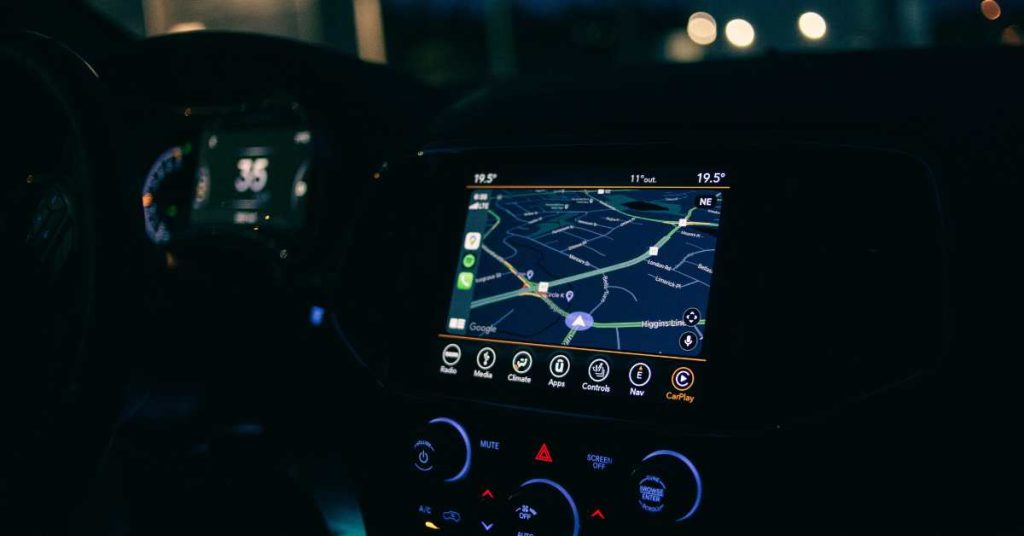
Safety is a top priority for vehicle owners, and GPS tracking systems play a crucial role in ensuring it. Real-time monitoring allows users to track their vehicles and respond quickly to emergencies.
The ability to receive instant alerts and access accurate data enhances security and provides reassurance. This makes GPS tracking systems an essential component of modern transportation.
Choosing the Right GPS Tracker
Factors to Consider
Selecting the right GPS tracker requires careful evaluation of various factors. Users should consider their specific needs, such as real-time tracking, security features, and budget. Understanding these requirements helps in choosing a system that offers the best value.
Compatibility with the vehicle and ease of installation are also important considerations. Users should ensure that the tracker integrates seamlessly with their existing setup.
Comparing Different Options
There are numerous GPS trackers available in the market, each offering unique features. Comparing these options helps users make informed decisions. Factors such as accuracy, battery life, and reliability should be taken into account.
Choosing a high-quality tracker ensures long-term performance and reliability. Users should also consider customer support and after-sales service when making their decision.
Installation and Maintenance of GPS Trackers
Easy Installation Process
Most GPS trackers are designed for easy installation. Some devices can be connected directly to the vehicle’s power source, while others are portable and battery-operated. Professional installation services are also available for users who prefer expert assistance.
Proper installation ensures accurate tracking and optimal performance. Following the manufacturer’s guidelines helps avoid any issues and ensures reliable operation.
Maintaining System Efficiency
Regular maintenance is essential to ensure the efficiency of a GPS tracking system. Users should periodically check the device to ensure it is functioning properly. Software updates should be installed to access the latest features and improvements.
Battery-operated devices require regular monitoring and recharging. Keeping the system well-maintained ensures consistent performance and accurate tracking.
Future of GPS Tracking Technology
Integration with Smart Systems
The future of GPS tracking technology lies in its integration with smart systems. Advanced technologies such as artificial intelligence and machine learning are being incorporated to provide predictive insights and improve efficiency.
These innovations enable users to analyze data more effectively and make better decisions. Smart integration also enhances convenience by allowing remote monitoring and control.
Expanding Use Across Industries
GPS tracking technology is widely used across various industries, including logistics, transportation, and delivery services. As demand continues to grow, the development of more advanced tracking solutions is expected.
This expansion will lead to improved features and capabilities, providing users with better tools for managing their vehicles. The future of GPS tracking looks promising, with continuous advancements shaping the industry.
Conclusion
GPS trackers have become an essential tool for ensuring vehicle safety, improving efficiency, and enhancing overall control. From personal use to large-scale fleet management, these devices offer numerous benefits that make them indispensable in modern transportation.
By investing in a reliable GPS tracking system, users can protect their vehicles, optimize operations, and gain valuable insights into usage patterns. As technology continues to evolve, GPS trackers will play an even more significant role in shaping the future of transportation and security.